How Cross-Border Licensing Rules Shape Access to Real-Time Interactive Table Experiences on Handheld Devices
Written by Nils Reed · May 20, 2026
How Cross-Border Licensing Rules Shape Access to Real-Time Interactive Table Experiences on Handheld Devices
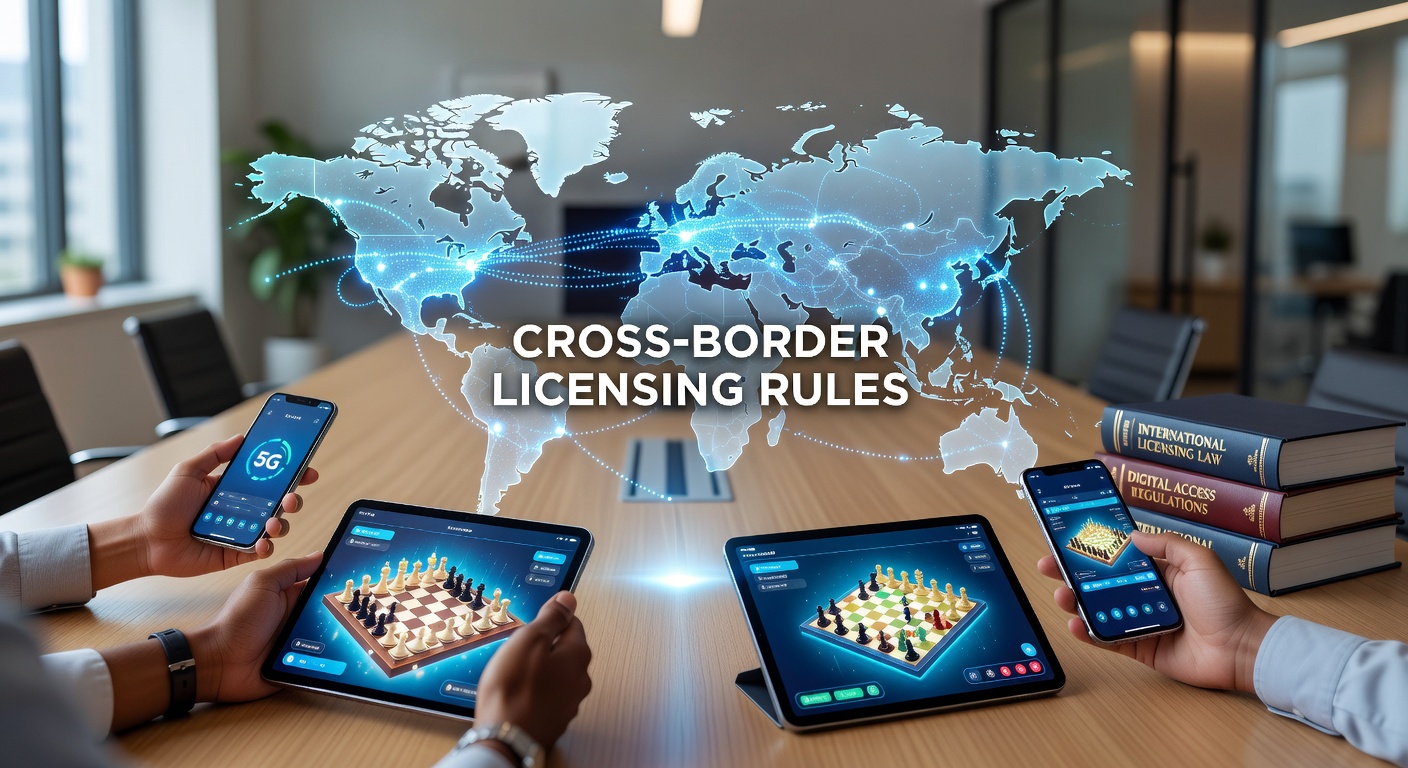
Real-time interactive table experiences on handheld devices involve live dealer sessions streamed directly to smartphones and tablets, allowing users to participate in games like blackjack and roulette through video feeds and digital interfaces. Cross-border licensing rules determine which operators can deliver these services across national boundaries, and they create layers of compliance that affect everything from server locations to user authentication protocols.
Core Mechanisms of Cross-Border Licensing
Licensing frameworks require operators to secure approvals from regulatory bodies in each jurisdiction where they intend to offer services, yet many providers operate under a primary license granted in one location while extending access elsewhere through partnerships or secondary certifications. This structure means that a company licensed in Malta might stream live table games to users in select European markets but face blocks in regions without reciprocal agreements, and data from industry reports show that such arrangements often hinge on mutual recognition treaties that evolve with new legislation. Those who've tracked these developments note that handheld access adds technical demands, including real-time geo-location checks and device-specific encryption that must align with the originating license terms.
Regulators enforce these rules through strict technical standards, where servers handling game logic and video streams must reside in approved territories or meet data residency requirements that prevent unauthorized cross-border flows. Observers point out that when a handheld user attempts access from outside permitted zones, the platform typically redirects or restricts the session to avoid violating the license conditions tied to the operator's primary approval.
Regional Differences in Application
European markets illustrate varied approaches, with some countries accepting licenses from a central authority while others demand localized oversight that fragments availability on mobile platforms. In contrast, North American frameworks emphasize state-by-state or provincial approvals, leading operators to deploy separate infrastructures for real-time table streams that comply with each area's distinct rules on interactive play. Researchers at institutions tracking global gaming patterns have documented how these divergences result in inconsistent user experiences, where one device might connect seamlessly in one province but encounter interruptions just across a border due to mismatched licensing scopes.
Asia-Pacific regions introduce additional layers through content restrictions and partnership mandates, often requiring foreign operators to collaborate with local entities that hold the necessary approvals for handheld distribution. Figures from regulatory filings reveal that such collaborations can delay launches of live table features by months as operators align their streaming protocols with both the primary license and the host country's technical mandates.
What's interesting here involves the role of evolving enforcement tools, including advanced IP verification and account verification systems that update dynamically to reflect licensing changes. And data collected in early 2026 indicates several markets adjusted their cross-border policies around live interactive content ahead of broader digital trade discussions.

Technical and Operational Impacts
Operators respond to these licensing constraints by implementing segmented content delivery networks that route handheld traffic through compliant pathways, ensuring live video feeds and betting interfaces meet the standards of both the source license and the destination market. This often involves deploying multiple data centers and redundant streaming servers, each certified under different regulatory umbrellas to maintain uninterrupted access where permitted. Those studying operational models note that smaller providers sometimes limit their handheld offerings to fewer regions because the cost of maintaining parallel compliance systems outweighs potential returns from expanded reach.
Payment processing ties directly into these rules as well, since cross-border transactions for real-time table sessions must satisfy anti-money laundering provisions embedded in each license. Platforms integrate region-specific gateways that verify user location and identity before allowing participation, which adds steps to the mobile experience but keeps operations within legal bounds. According to analyses from the Nevada Gaming Control Board, such integrated checks have become standard practice for any interactive table product crossing state lines.
Developments Around May 2026
By May 2026, several jurisdictions updated their guidelines on digital streaming of table games, focusing on how handheld devices interact with international license holders and emphasizing stricter audit trails for live sessions. These adjustments followed collaborative reviews among regulators in multiple regions, resulting in refined protocols for geo-fencing and session logging that operators had to incorporate into existing mobile applications. Industry associations reported that companies adapted their platforms quickly in markets where prior approvals allowed for streamlined updates rather than full re-licensing processes.
One case involved providers who had established primary licenses in offshore hubs and then expanded into additional territories through updated agreements finalized in the preceding quarter. Such moves highlighted how licensing flexibility influences which real-time experiences reach handheld users without interruption, particularly when new rules clarify acceptable data handling practices across borders.
Future Considerations for Access Patterns
Emerging technologies like edge computing and enhanced encryption continue to intersect with licensing requirements, offering operators new ways to maintain compliance while delivering smoother handheld interactions. Regulatory bodies in various countries monitor these advancements closely, often incorporating them into revised standards that shape future cross-border arrangements. Reports from groups such as the International iGaming Research Center suggest that ongoing harmonization efforts could reduce some current fragmentation, though significant differences in approval criteria are likely to persist across major markets.
Users encounter these dynamics through everyday access patterns, where availability of live table sessions depends on the cumulative effect of licensing decisions made far from their device screens. The interplay between primary approvals, secondary certifications, and technical safeguards ultimately determines the scope of real-time experiences available on handheld platforms worldwide.
Conclusion
Cross-border licensing rules continue to define the boundaries of real-time interactive table access on handheld devices by dictating operational territories, technical safeguards, and compliance pathways that operators must follow. Regional variations create a patchwork of availability, while technical adaptations ensure that permitted sessions remain secure and verifiable. As policies evolve through 2026 and beyond, these frameworks will keep influencing how live table content reaches mobile users across different jurisdictions without compromising the regulatory integrity of each market involved.