Regulatory Oversight Shaping Progressive Jackpot Feature Deployments in Licensed Browser Gaming Networks
Written by Sofia Carter · Aug 26, 2026
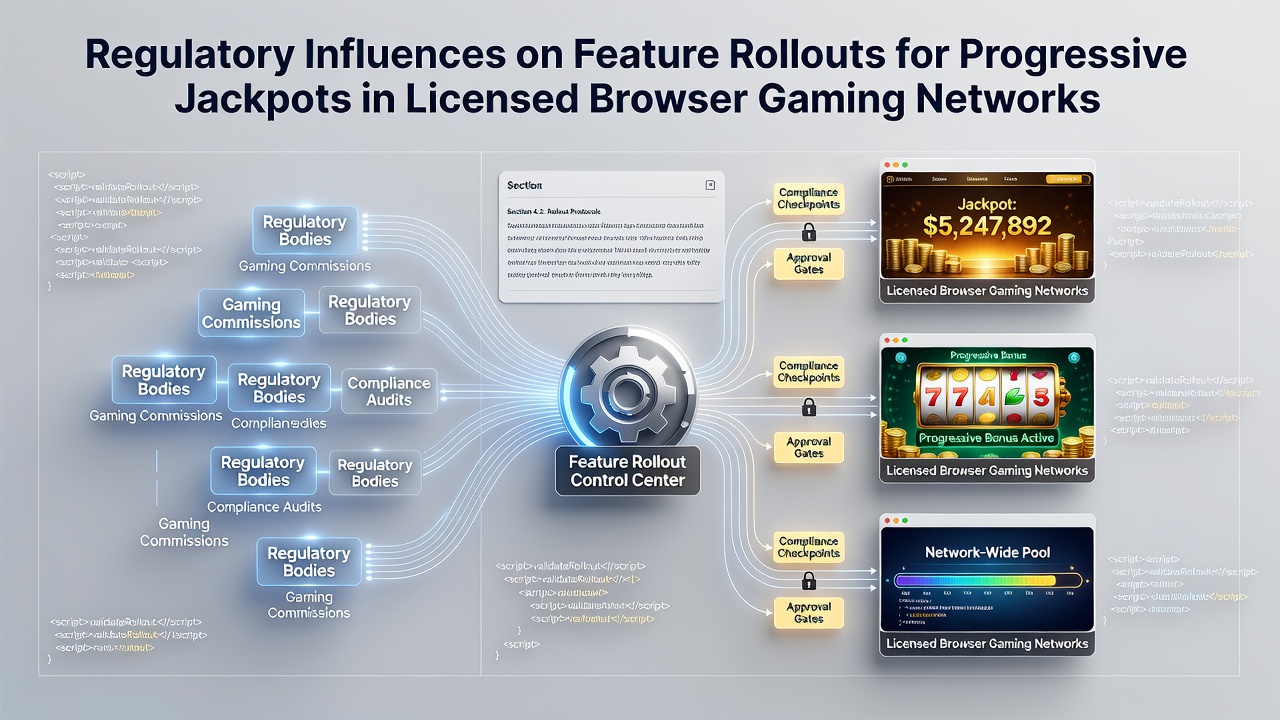
Regulatory Oversight Shaping Progressive Jackpot Feature Deployments in Licensed Browser Gaming Networks
Regulatory frameworks across multiple jurisdictions continue to determine how operators introduce progressive jackpot features within licensed browser gaming networks, and these rules directly affect testing protocols, payout structures, and release schedules. Licensing authorities require detailed documentation on random number generators, contribution rates to jackpot pools, and player notification mechanisms before any new feature reaches end users. Data from regulatory filings shows that approval processes often extend rollout timelines by several weeks or months depending on the jurisdiction and the complexity of the jackpot mechanics involved.
Core Compliance Standards Across Jurisdictions
Authorities in states such as New Jersey and Pennsylvania mandate independent laboratory testing of jackpot algorithms to verify fairness and prevent manipulation, while similar requirements appear in European markets governed by bodies like the Malta Gaming Authority. These standards cover everything from minimum seed amounts to rules governing jackpot resets after wins, and operators must submit source code plus simulation results that demonstrate compliance. Observers note that variations between regions create distinct pathways, with some regulators emphasizing real-time reporting of jackpot growth whereas others focus on pre-launch audits that cover network security and data integrity.
Browser-based platforms face additional layers of scrutiny because they operate across multiple devices without native app installations, which means regulators examine client-side code execution and session management more closely. In practice this leads to requirements for encrypted data transmission between player browsers and central servers, along with mandatory logging of all jackpot contributions during live play. Figures released by the Nevada Gaming Control Board illustrate how these technical specifications have prompted operators to build modular systems that allow selective feature activation based on player location and license type.
Effects on Rollout Timelines and Feature Adjustments
Operators often adjust jackpot contribution percentages or trigger conditions to align with local tax structures and responsible gaming limits, and such modifications require fresh submissions to regulators before deployment. Research from industry compliance reports indicates that even minor changes to display animations or notification timing can trigger re-testing cycles that delay launches across entire networks. Those who manage multi-state operations frequently maintain separate code branches for different regulatory environments, which adds development overhead but ensures smoother approvals when new features become available.
Reporting and Monitoring Obligations
Continuous monitoring forms a central part of regulatory expectations, and licensed networks must transmit jackpot status updates at regular intervals to oversight agencies. This includes alerts when pools reach predefined thresholds or when technical anomalies occur during play sessions. In August 2026 several jurisdictions expanded these reporting mandates to encompass detailed player behavior metrics tied to jackpot participation, reflecting broader efforts to track potential problem gambling indicators alongside commercial performance data. Such expansions have prompted software vendors to integrate standardized APIs that streamline data delivery to multiple regulators simultaneously.
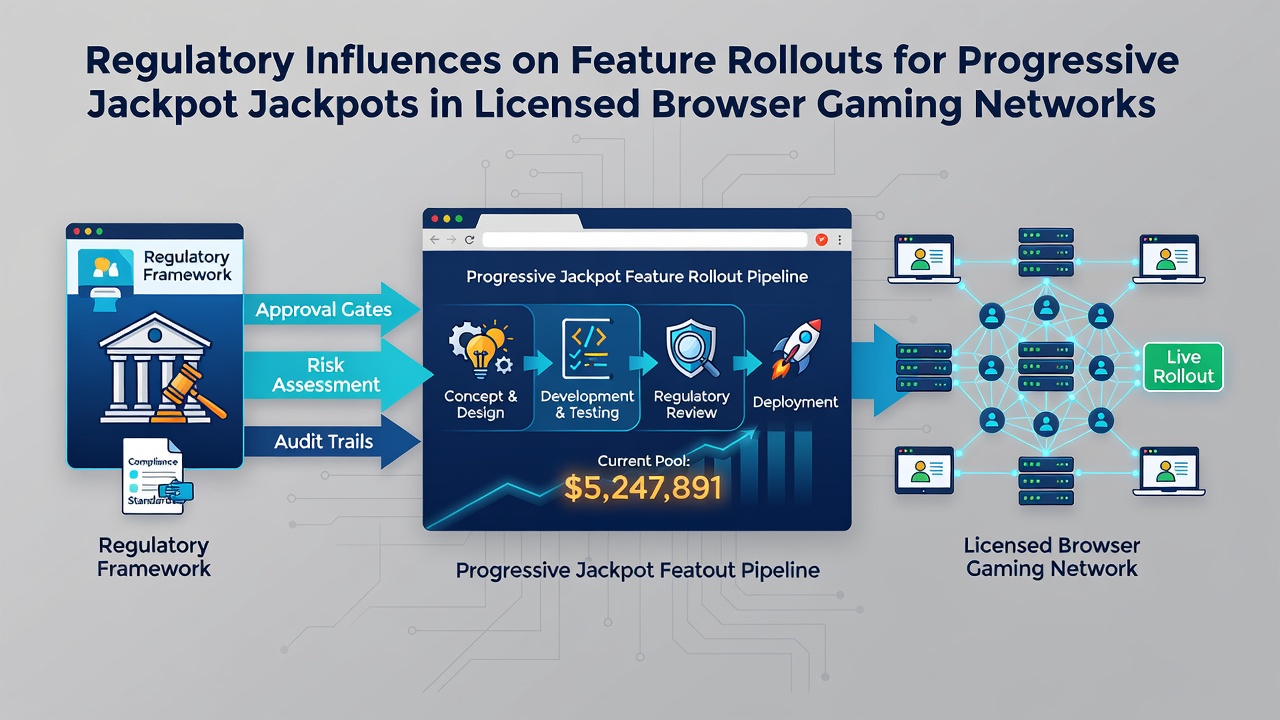
Take one operator that expanded its browser network into additional Canadian provinces last year, where provincial regulators required separate jackpot pools rather than a single shared pool across borders. The adjustment altered both the speed of jackpot growth and the frequency of payouts, yet it satisfied local rules while preserving overall network functionality. Similar adaptations appear in Australian markets where state-level guidelines influence how progressive features interact with maximum bet limits and session time restrictions.
Technical Integration Challenges and Solutions
Developers building these systems must balance regulatory demands for transparency with the need for seamless player experiences across different browsers and connection speeds. Encryption standards, audit trails, and failover mechanisms all come under review, and any shortfall can halt a planned rollout until corrections receive clearance. Industry associations have documented how collaborative working groups between operators and regulators have accelerated the adoption of common testing frameworks, reducing duplication while maintaining strict oversight. This approach has proven especially useful for networks handling high volumes of concurrent browser sessions during peak periods.
Conclusion
Regulatory influences continue to evolve as browser gaming networks expand and progressive jackpot features grow more sophisticated, with each jurisdiction maintaining distinct priorities around fairness, security, and player protection. Operators that align development processes with these requirements achieve more predictable release schedules and fewer post-launch modifications. Data from multiple regulatory sources demonstrates that proactive compliance planning remains essential for maintaining operational continuity across licensed environments.